Files, pages, scripts, Git, and static hosting can move fast.
Markdown, HTML, JSON, CSV, images, PDFs, and small scripts can become real software surfaces before the business commits to heavy infrastructure.
Examples first
A business owner should see proof before theory. These tiles show the pattern: a plain request becomes a page, video feature, customer workflow, evidence archive, or controlled deployment.
Infrastructure after AI
AI changed the starting point. A small business does not always need a giant database project, a year-long software build, or a locked platform before it can prove a workflow. The modern stack can be loose, portable, cheap to start, and owned by the business.
Markdown, HTML, JSON, CSV, images, PDFs, and small scripts can become real software surfaces before the business commits to heavy infrastructure.
Databases still matter for transactions, scale, permissions, and complex relationships. They are no longer required just to test the idea, publish the page, organize the records, or prove demand.
When source files, history, media, prompts, and approvals live in Git-backed structures, the company is less trapped inside one vendor dashboard.
Open tools, free tiers, static hosting, AI-assisted editing, and human review can take a plain request to a working page or internal tool before a large software budget exists.
Token discipline
Recent reporting around Microsoft and Uber shows the enterprise problem clearly: teams can love AI coding tools, use them constantly, and still force leadership into a budget reckoning. Ten Thirty Two solves that problem by teaching the operating method around AI, not just handing people another tool.
We teach teams to package only the files, decisions, examples, and constraints the task needs. Smaller context means faster review, lower waste, and cleaner output.
Prompts, SOPs, deployment notes, style rules, and business decisions belong in reusable Git-backed memory so each run starts smarter.
Leaderboards that reward usage can create waste. Ten Thirty Two favors scoped tasks, reviewed changes, clear stop points, and reusable artifacts.
Some work needs a frontier agent. Some work needs a static page, a script, a checklist, a smaller model, or a human approval step. The savings are in knowing the difference.
AI cost is not just a finance problem. It is an operating discipline problem: scope the run, limit context, preserve memory, review output, and teach people how to spend tokens on work that matters.
Plain English website changes
Ten Thirty Two engineers set up the pipe between your domain, website code, AI assistant, and deployment pipeline.
You describe the update in plain English. The connected workflow turns it into a reviewable site change and moves it toward deployment without making the business owner handle the technical machinery.
Prompt example
Ten Thirty Two does not replace your brain. It gives your words a pipe into code, content, GitHub, and deployment so the idea in your head can become a reviewable website change.
I own a real business. Help me update my website in my voice. Make the page easier to understand on mobile, keep the design consistent, update the code, show me what changed, and keep working until the request is ready for review or you need a real decision from me. Do not publish until I approve.
You stay the creator. The AI keeps iterating inside the credits, permissions, and approvals you choose; Ten Thirty Two teaches you how to steer the system and control the world you are building.
The pipe we build
Ask for the page change, product update, form cleanup, video post, market note, weather tool, parts selector, or service-page edit without naming the technical stack first.
Repository, hosting, source control, review, form packets, media, SEO, and deployment are organized into a repeatable update pipe.
The goal is the ultimate easy CI/CD setup for a business: controlled, reviewable, and simple enough to use repeatedly.
PrivateOps
Your business knowledge should not be trapped in email chains, spreadsheets, shared drives, and undocumented employee memory. PrivateOps turns internal business knowledge into a controlled, versioned, AI-readable operating system.
Only approved outputs are published externally.
Security comes from access controls, identity, encryption, permissions, backups, and deployment boundaries.
Documents, workflows, SOPs, vendor records, parts lists, reports, and publishing outputs get a controlled path.
Dual-lane DevOps
Public-output lane: a private GitHub repository can map to GitHub Actions and Azure Static Web Apps for approved site updates, customer pages, reports, and public artifacts.
Private-operations lane: a separate private Git, Gitea, Forgejo, or GitLab repository can stay inside the business-controlled environment for SOPs, records, files, notes, and AI-assisted review.
That separation creates the small-business DevOps layer: private source memory on one side, approved public deployment on the other, with human approval between them.
What it is
Ten Thirty Two turns plain-English change requests into website updates that can be reviewed, committed, deployed, and repeated without making the customer become the engineer.
Update a page, add a product, publish a video, change a form, organize a catalog, or clean up a customer workflow.
Domain, website files, source control, content, images, forms, deployment, and the approval path stay organized.
Less waiting, fewer technical handoffs, and a repeatable way to publish changes without fighting the machinery.
Who it helps
Real pages, real forms, real customer information.
Requests, job pages, estimate forms, photos, and updates.
Parts, products, field notes, seasonal pages, and order workflows.
No need to know Codex, GitHub, Azure, CI/CD, or deployment jargon.
A reviewable update path without hiring a full-time developer.
How it works
The site stays source controlled and deployable. The business keeps ownership clear.
The request path can turn normal language into structured website work.
Copy, layout, forms, links, and workflows can be checked before publishing.
The update moves live through a controlled, repeatable path.
Ten Thirty Two in motion
Pages, forms, catalog paths, publishing updates, commerce prep, and operating tools can start as a normal business conversation, then move through source control into a public workflow.
Start with one deployable TileInternet break room
Official Homestar Runner uploads, embedded here as a tiny reminder that the web is better when it has jokes, strange timing, and people making things because they mean it.
Strong Bad teaches the world how to draw a dragon, and the internet gets one of its durable little sparks.
A short, strange, sticky lesson in how tiny internet things become cultural furniture.
Proof that parody, format, and commitment can make a whole world out of one reply.
A little chaos in the inbox, which is usually where the best web ideas begin anyway.
Strong Bad, Homestar Runner, and the videos belong to their creators. Ten Thirty Two is just pointing to the official YouTube uploads.
Why it matters
Owners should not have to stop the business to chase small website updates. Ten Thirty Two gives changes a known path.
Changes stay reviewable and source controlled, so the site can improve without losing track of what happened.
Founder bio
Michael Hurst is the owner and operator behind Ten Thirty Two, a practical AI-assisted digital infrastructure shop for real businesses, founder-led projects, and client implementations.
Michael turns plain business requests into deployed websites, publishing systems, commerce preparation, content workflows, and operating tools. The work focuses on the middle layer between an owner and the web: domain, GitHub, content, forms, video, automation, and live updates.
Michael brings practical operating discipline into digital infrastructure: organize the request, build the workflow, publish the result, and keep ownership clear.
Request access
Tell Ten Thirty Two what you want changed on the website. We will map the request into a reviewable update path.
No payment flow on this page. Start with a real business need and one person who can approve changes.
Send the current website link and explain what feels wrong, missing, outdated, or slow to change.
Use normal business language: add this service, fix this page, publish this product, update this contact flow.
Photos, videos, prices, forms, service details, customer questions, and approval notes stay organized.
The change can be checked before it goes live, including copy, layout, links, and customer actions.
The approved update moves through the deployment path instead of being pasted together by guesswork.
Once the path exists, the next website change is easier to request, review, and publish.
Your business name, website link, the change you want, any photos or source details, and the best person to approve the update.
Request accessProjects and businesses
 Destroyable demo lab
The live Ten Thirty Two proof page: request a change, encrypt the packet, update the repo, deploy, and archive the previous version so the work keeps growing.
Owned and operated by Ten Thirty Two. This is the permanent sandbox for showing how quickly a plain request can become a live page.
Ten32 Workbench is the AI-assisted operating desk for turning rough business requests into deployable Tiles: small, finished units of web work that can be reviewed, reused, versioned, and shipped.
Productizing in public inside Ten Thirty Two. The platform page is being developed from live client/demo work.
Owned and operated by Michael Hurst unless otherwise stated.
 Publishing system
A live financial stock-system and agentic market brief project showing how AI-assisted workflows can support market notes, structured publishing, indexing, and continuous site updates.
Owned and operated by Michael Hurst unless otherwise stated.
 Owner-operated business
A beekeeping and product-development brand exploring field operations, hive products, content publishing, and customer-facing digital workflows.
Owned and operated by Michael Hurst unless otherwise stated.
A field and business operations concept for beekeeping workflows, billing, records, orders, and service coordination.
Concept work. Public site not launched yet.
Owned and operated by Michael Hurst unless otherwise stated.
A non-chemical beekeeping equipment concept focused on practical hive management and productized field hardware.
Owned and operated by Michael Hurst unless otherwise stated.
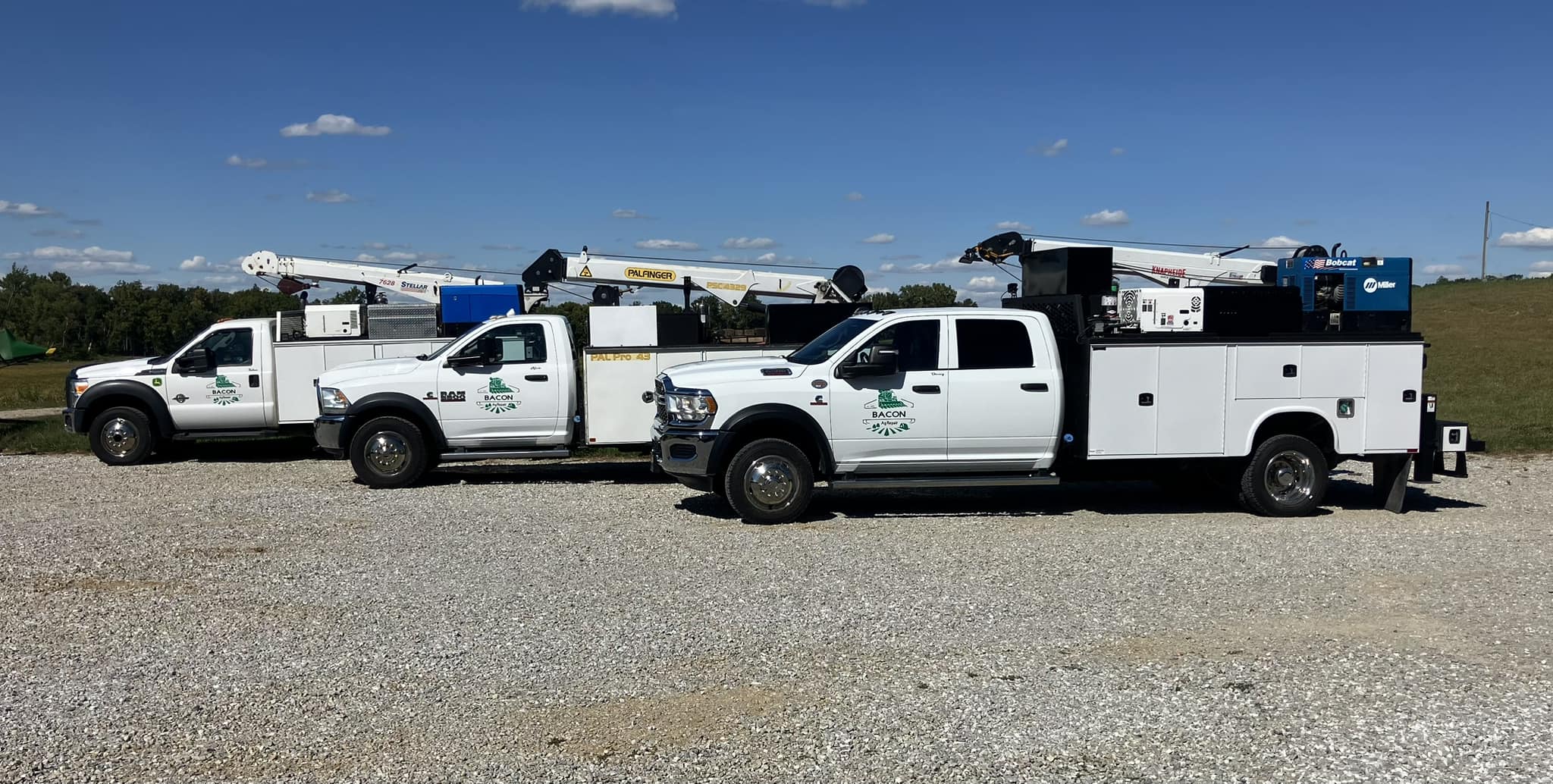 Client / partner implementation
An agricultural repair business supported with service requests, parts-finder pages, and dealer-commerce workflow planning.
Owned by Doug Bacon. Ten Thirty Two supports digital infrastructure, deployment strategy, commerce workflows, and AI-assisted site operations.
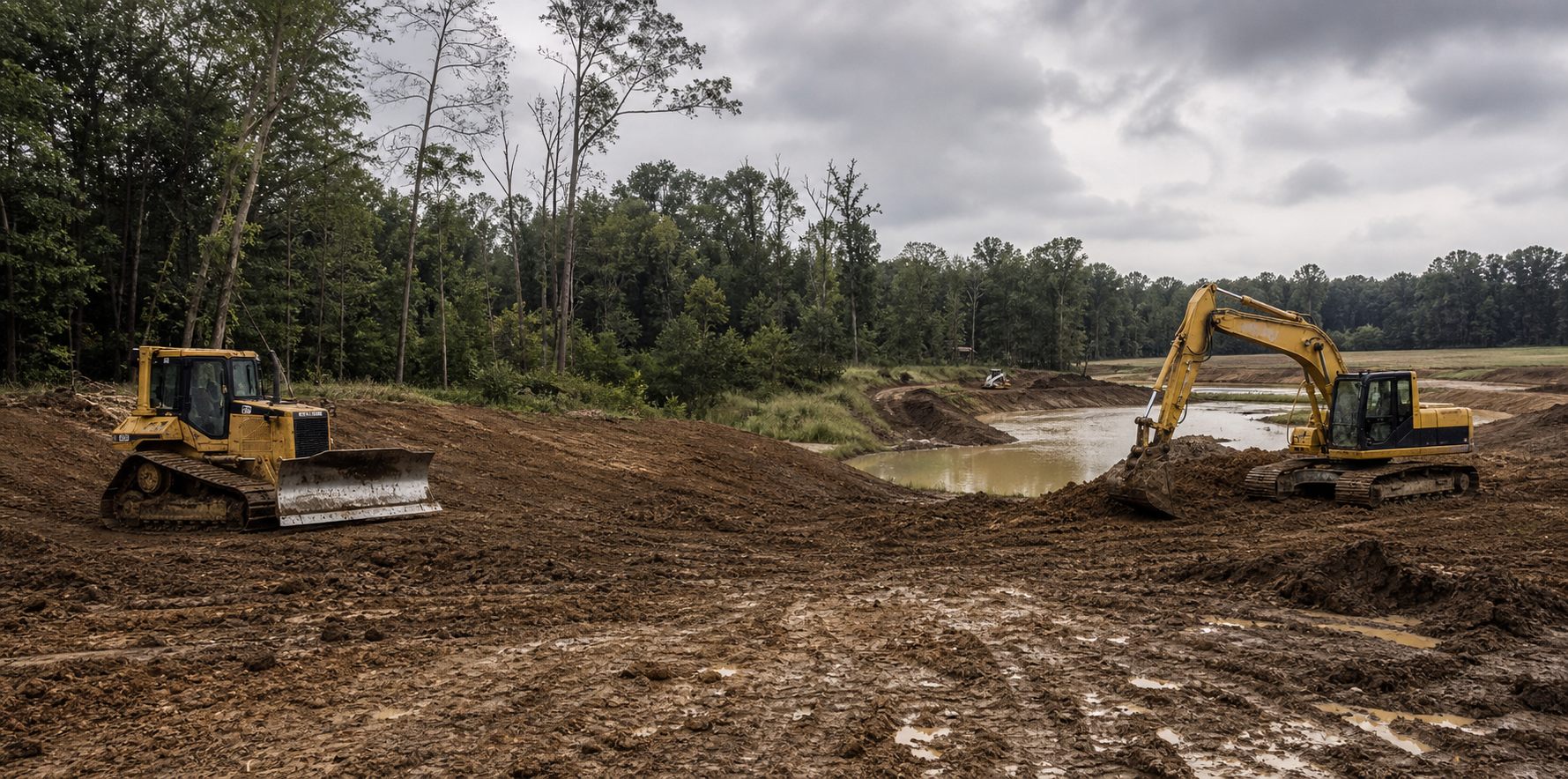 Customer construction site
A live customer site for excavation, septic installs, land clearing, trucking, secure request packets, and fast-response customer contact.
J1S Contracting is independently owned. Ten Thirty Two built and deployed the customer site, encrypted contact workflow, visual direction, and GitHub/Azure deployment path.
Full examples archive
These are not mockups or pitch-deck thumbnails. Each card opens a live site, repo, tool, client workflow, product page, or operating experiment that is already published.
A business request becomes structured copy, code, forms, search pages, source control, and a public update. Click through the work and you can see the system becoming real one deployed page at a time.
Demo examples
Examples live here after the explanation. The next Pimp My Website lead is Mug-n-Bun in Speedway/Indianapolis: an iconic local restaurant site with a visible first-screen friction point.
Why these projects matter
A real operator needs a page, workflow, catalog path, publishing update, order form, or internal tool.
The request becomes structured content, code, forms, search pages, or deployment-ready changes.
Changes are tracked so the work can be reviewed, improved, deployed, and maintained over time.
Updates move from local work to a public website or workflow without turning the business owner into a software company.
The next business request has a known path, making the whole operation faster and less fragile.
Client / partner case study
Bacon Ag Repair is useful as a case study because the work is practical: clear service pages, request forms, a parts-finder workflow, and updates that support the shop without pulling Doug Bacon away from repair work.
Bacon Ag Repair is owned by Doug Bacon. Ten Thirty Two supports the digital infrastructure and workflow implementation; it does not own Bacon Ag Repair.
What Ten Thirty Two provides
Static sites, deployment workflows, update paths, and predictable publishing support.
Drafts, structured pages, descriptions, posts, and owner-reviewed publishing material.
Request forms, parts lists, intake templates, and supplier-review workflows for businesses that sell or source products.
Product structure, order flow planning, quote-first workflows, and commerce-ready site organization.
Clean titles, descriptions, internal links, schema where useful, sitemaps, and search-friendly page structure.
Reusable drafts from real business activity, product updates, videos, lessons, and service examples.
Fast static hosting patterns with GitHub-based deployment and lightweight public infrastructure.
Source-controlled working systems for making, reviewing, and deploying updates with AI assistance.
Repeatable workflows for requests, emails, forms, publishing, catalog prep, and operational follow-through.
Client ownership transparency
Ten Thirty Two may build, support, or automate digital infrastructure for outside businesses. Client businesses remain independently owned. Bacon Ag Repair is owned by Doug Bacon and is shown here as a supported client/partner implementation. J1S Contracting is independently owned and appears as a customer implementation supported with site design, secure request packets, GitHub source control, and Azure deployment workflow.
Contact
Michael Hurst
Ten Thirty Two
michaelshawnhurst@gmail.com
LinkedIn profile